
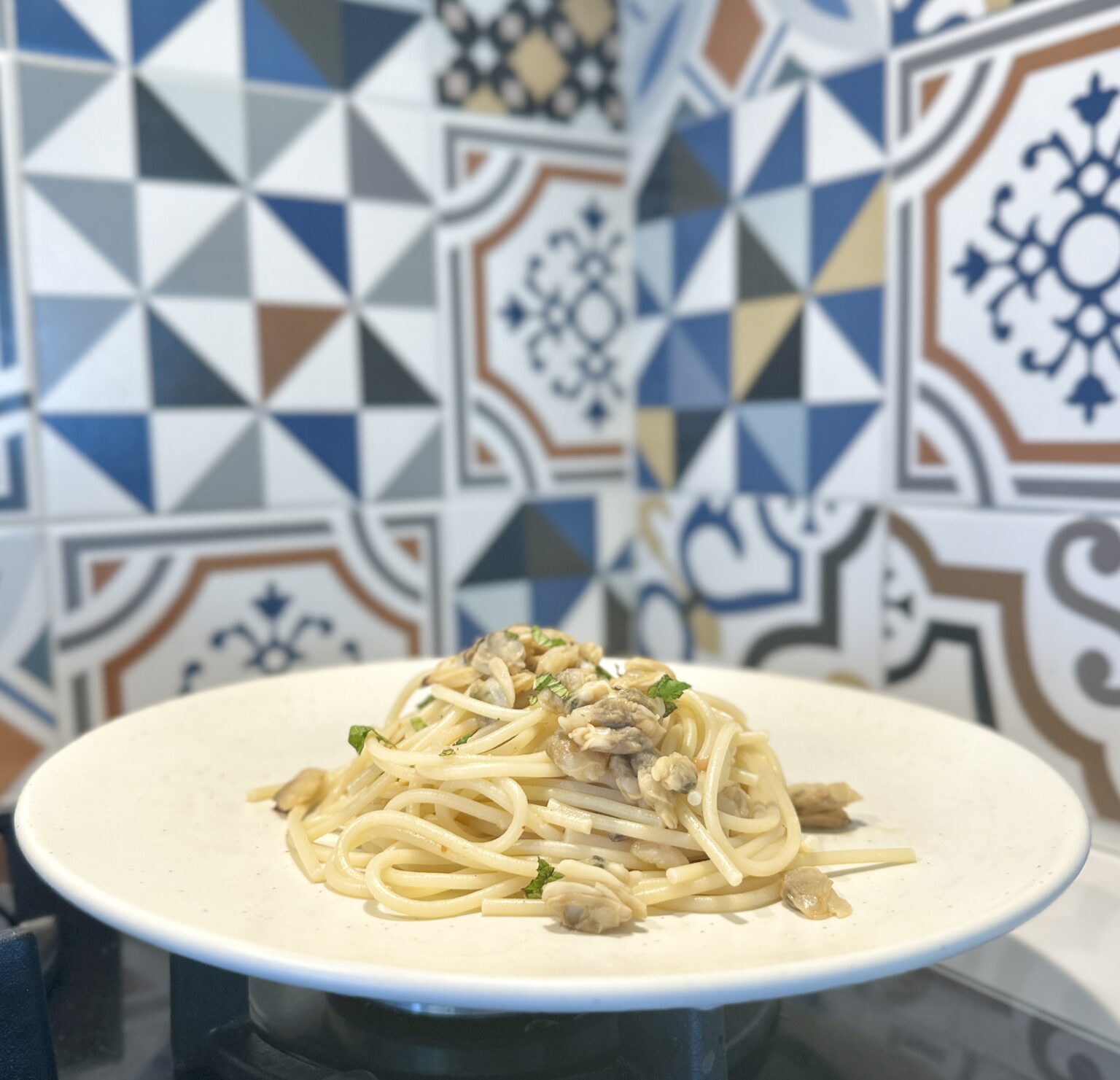
Photo Courtesy of Joe Banno
All my life, I’ve been drawn to health—studying holistic nutrition, staying curious about how what I eat shapes how I feel. Over the past 30 years of visiting Italy, I’ve come to see something clearly: the Mediterranean diet isn’t a “diet” at all. It’s a way of living.
And like many things in Italy, it’s rooted in simplicity, quality, and tradition.
Over the years, I’ve also noticed subtle shifts. Parts of Italy—especially in the north and larger cities—have become more influenced by American-style products and eating habits. Still, much of the country, particularly in southern regions, holds tightly to a slower, more intentional way of eating.
One major difference lies in food quality and regulation. Europe generally maintains stricter standards on how food is produced, labeled, and distributed. Take something as simple as an apple: in the U.S., many apples are coated with a thin layer of wax to extend shelf life. In Italy, that’s far less common. Food systems rely more on seasonality, shorter supply chains, and fresher turnover.
That difference matters more than you might think.
I once heard a story from an Italian who visited the U.S. After a workout, they ate a tomato expecting the same burst of energy they were used to back home. But they felt… nothing. It sounds small, but it speaks to a bigger idea: the nutritional vitality of ingredients can vary. You can recreate a beautiful Italian dish anywhere in the world—but the quality of the ingredients will always shape the experience, both in taste and in how your body responds.
What Is the Mediterranean Diet, Really?
At its core, the Mediterranean diet is a balanced approach to eating and cultural habits of countries bordering the Mediterranean Sea, Spain, Italy, and Greece. It is heart-healthy, reduces inflammation, and helps manage blood sugar. It is centered around vegetables and fruits, whole grains, and fats.
It typically includes:
Plant-based foods as the foundation: vegetables, fruits, legumes, and whole grains
Healthy fats, especially extra virgin olive oil, nuts, and seeds
Protein primarily from plants, with additional sources from fish and seafood
Moderate amounts of poultry, eggs, and dairy
Red meat only occasionally
Water as the main beverage, with optional wine in moderation.
Meals are also structured differently than what many Americans are used to:
A light breakfast, often something small like coffee and a pastry or yogurt
A more substantial, balanced lunch, traditionally the main meal of the day in many regions
A complete but unhurried dinner, often lighter than lunch but still nourishing
And yes—coffee plays its role. In Italy, it’s more than a habit; it’s a ritual. Beyond the cultural importance, coffee is rich in antioxidants, and studies suggest that regular consumption may be linked to a lower risk of heart disease.
Why It Works
The Mediterranean diet is widely recognized not because it’s restrictive, but because it’s sustainable. It supports long-term health without feeling like deprivation. It focuses on eating patterns rather than calorie counting.
Research has consistently linked this way of eating to:
- Reduced risk of heart disease and stroke
- Lower inflammation
- Improved blood sugar control and reduced risk of type 2 diabetes
- Protection against cognitive decline
These benefits come from a powerful combination of fiber-rich foods, healthy fats, antioxidants, and a natural avoidance of heavily processed ingredients and added sugars.
Lifestyle Components
Beyond food you need to look at the Mediterranean way of life.
Social connections, sharing these meals with family and friends
Physical Activity, regular daily movement
Mindfulness, moderation and also savoring food.
Bringing It Into Your Life
The beauty of the Mediterranean diet is that it’s adaptable. You don’t need to live in Italy to embrace it—but you do need to be mindful.
Focus on:
Choosing the best quality ingredients you can find
Eating seasonally when possible
Cooking more at home
Slowing down and enjoying meals
Because in the end, this isn’t about following rules. It’s about building a lifestyle that feels good, nourishes your body, and brings a little bit of that Italian rhythm into your everyday life.
And that’s what makes it last.