
Written by: Joe Banno | Published on: January 31, 2026
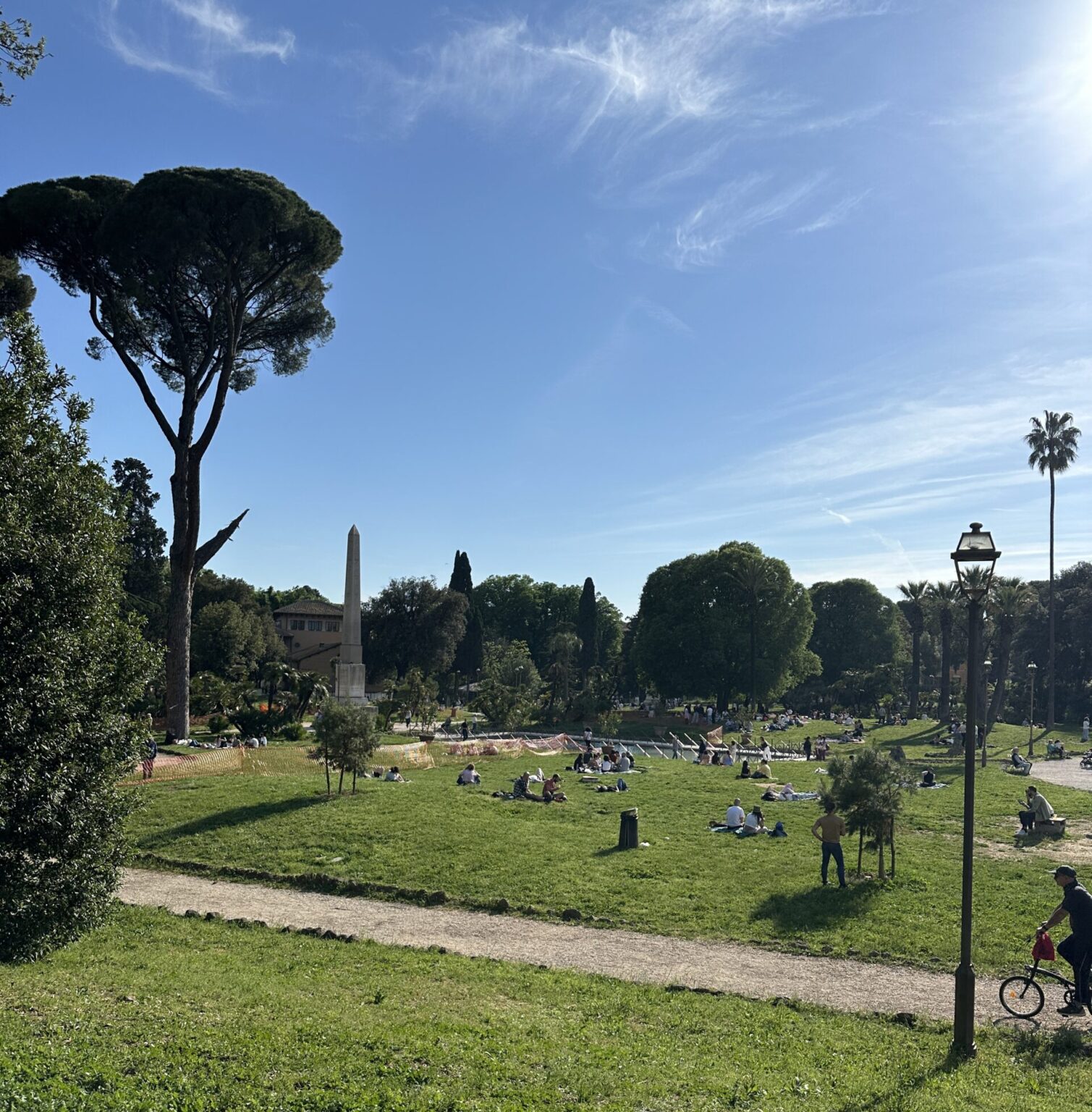
Photo courtesy of Joe Banno
There’s a certain allure to the idea of la dolce vita—the sweet life. It conjures images of long lunches, late dinners, sun-warmed piazzas, and a pace that feels, at first glance, almost indulgent. But Italians know: it’s not about excess or escape. It’s about intention.
Italians don’t work less. They simply live more—on purpose. The difference? Awareness. It’s Not Slowness—It’s Presence. From the outside, the Italian lifestyle can look unhurried. But la dolce vita isn’t about doing less—it’s about being fully present for what matters:
* A coffee is just a coffee—until it becomes a moment.
* A meal is just food—until it becomes a connection.
* A walk is just movement—until it becomes a ritual.
There’s a quiet understanding that life isn’t something to rush through. It’s meant to be experienced fully—even in the smallest moments.
Work vs. Life: A Different Kind of Balance In the U.S., productivity often defines the day. Efficiency is rewarded; time is optimized. In Italy, work matters—but it doesn’t take over. Enter riposo—the midday pause. Between roughly 1:00 and 4:00 p.m., many shops close. People go home. They eat, rest, and reset. Some people nap. Some gather with family. Some simply step away. It’s not unproductive—it’s restorative. Because the day isn’t meant to be endured. It’s meant to be lived.
The Rhythm of Eating:
Food in Italy is less about consumption and more about cadence. Breakfast is gentle—a caffè, maybe a pastry. Lunch is the anchor: a proper meal, often pasta and fruit, taken slowly with conversation. Late afternoon brings aperitivo: drinks, small bites, and a softening of the day. Dinner, lighter and later, is followed by una passeggiata—an evening walk not for exercise, but for connection, for being seen, for savoring the transition into night.
Sunday, Reimagined:
If there’s one day that captures la dolce vita, it’s Sunday. Not for errands or catching up or productivity, but for family. The day unfolds slowly: a morning pastry, a long generous lunch (lasagna, shared dishes, time at the table), and an evening that stretches just a little longer. It’s less about the food, more about togetherness.
The Way Food Is Chosen:
What Italians eat is only part of the story. How they source it matters just as much. Ingredients are local. Meals are seasonal. Shopping is frequent, intentional, and small-scale. Markets are visited multiple times a week. Food is bought for now, not for later. Spring brings strawberries and artichokes; Fall brings chestnuts and pumpkin. There’s a natural rhythm to it—a connection between what’s on the table and where it came from.
Community as a Way of Life:
Beyond food and pace, what defines Italian life most is connection. Families remain close—physically and emotionally. Generations overlap. Grandparents are active, present, involved. Aging doesn’t mean stepping away—it means staying engaged. There’s a built-in sense of belonging that carries through daily life: shared meals, regular interaction, a constant exchange of care and presence. It’s subtle, but powerful.
The Real Meaning of La Dolce Vita It’s easy to romanticize the Italian lifestyle—but its foundation is surprisingly simple. It’s not about luxury, doing less, or escaping responsibility. It’s about paying attention, choosing quality over convenience, protecting time for what matters, and finding joy in the everyday.
Final Thought, La Dolce Vita isn’t something reserved for a vacation in Italy. It’s a perspective—a reminder that life doesn’t need to be faster to be fuller. Sometimes, the sweetest moments are the quietest ones: the coffee at the bar, the walk after dinner, the conversation that lingers just a little longer than planned. Once you notice them, they’re hard to miss.